Lease Accounting Guide
Strategize your ASC 842 lease accounting implementation journey from transition to ongoing compliance. What you get:
- Understand ASC 842 — Break down key requirements, calculations, and more.
- Build a solid process — From lease intake to journal entries, cover every step.
- Avoid common pitfalls — Learn what trips up most teams during audits.

Already transitioned to ASC 842?
Don't get too comfortable just yet! Ongoing compliance with ASC 842 is crucial to ensure that your financial statements accurately reflect your leasing activities. Between new leases, lease modifications, and annual audits, your lease accounting and lease administration team have their work cut out for them.
SVP of Finance, Lauren Bahr shares her top 5 tips to ongoing lease accounting compliance processes. Watch it here!
Frequently Asked Questions
ASC 842 is a new lease accounting standard that requires companies to record both operating and finance leases on their balance sheets, increasing transparency and providing a clearer picture of financial obligations.
ASC 842 affects all organizations that enter into lease agreements, including large publicly traded companies and small private businesses. By the end of 2021, all these entities must comply with the new standards, which require them to report right-of-use (ROU) assets and lease liabilities for nearly all leases.
Under ASC 842, companies must recognize lease liabilities and right-of-use assets, which impacts financial statements by including previously off-balance-sheet leases.
Best practices include ensuring alignment among stakeholders, developing improved lease management processes, partnering with the right software solutions, and establishing sustainable practices for ongoing compliance.
Under ASC 842, a lease is recorded at commencement by debiting the Right-of-Use Asset and crediting the Lease Liability for the present value of future lease payments. Each period, the lease liability is reduced by the principal portion of the payment, interest expense is recognized, and straight-line rent expense is recorded against the ROU asset. For finance leases, amortization and interest expense are recorded separately, front-loading total expense over the lease term. Journal entries will vary based on lease incentives, initial direct costs, prepaid rent, and any lease modifications.
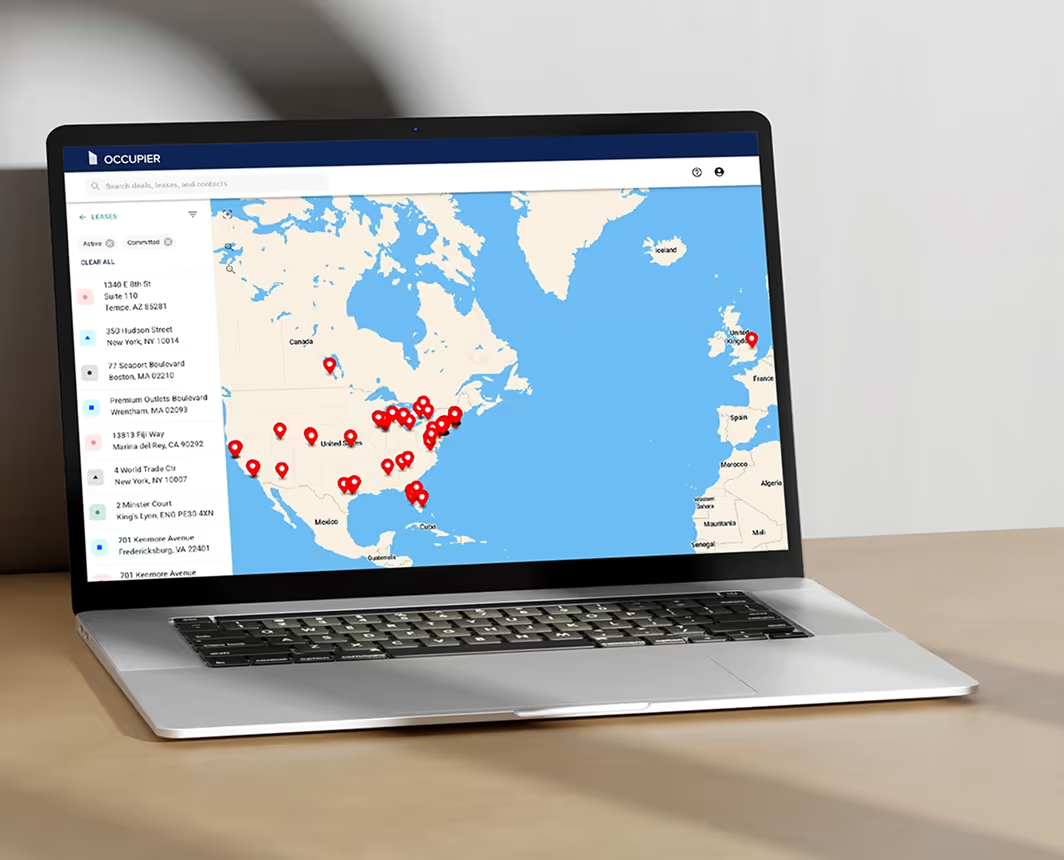
Occupier Lease Management
Never miss a critical date again.
See how Occupier keeps Real Estate and Finance teams ahead of every deadline
Boston HQ
Size:
15,000 sq ft
15,000 sq ft
Renewal options:
90 days notice
90 days notice
Lease expiration:
March 2026
March 2026
Status:
Action required
Action required
Amend Lease
Set Alert